Whole-body scar care, Belfast
Scar Therapy
Belfast
Specialist therapy for surgical, traumatic and minor burn scars. Provided by Ms Michelle Razo, an Occupational Therapist registered in the United States and the United Kingdom, and a Certified Hand Therapist. Deep expertise in upper limb scarring with treatment available for scars across the body.
Scars do not
always settle on their own.
After surgery or injury, the body lays down scar tissue to close the wound. Some scars settle without help. Others tighten, raise up, become painful or stick down to deeper tissue, restricting movement and causing long-term discomfort or appearance concerns. Scar tissue remodels for 12 to 18 months. Specialist scar therapy works with the tissue during that window, reducing the risk of these problems plus improving the feel, function and look of established scars.
Ms Razo treats hand, wrist, elbow and shoulder scars every day in clinic. The same techniques are also applied to scars elsewhere on the body when patients want specialist input that they cannot easily find locally.
What treatment
looks like.
Two short clips from the Belfast clinic showing scar work in progress. The approach is hands-on, gentle and progressive with techniques chosen for the scar in front of us.
Before and
after.
A settled, soft and mobile scar looks and behaves very differently from one still raised, tight or hypersensitive in early healing. Below are three examples, from the Belfast clinic, showing what scar therapy alongside rehabilitation can achieve.
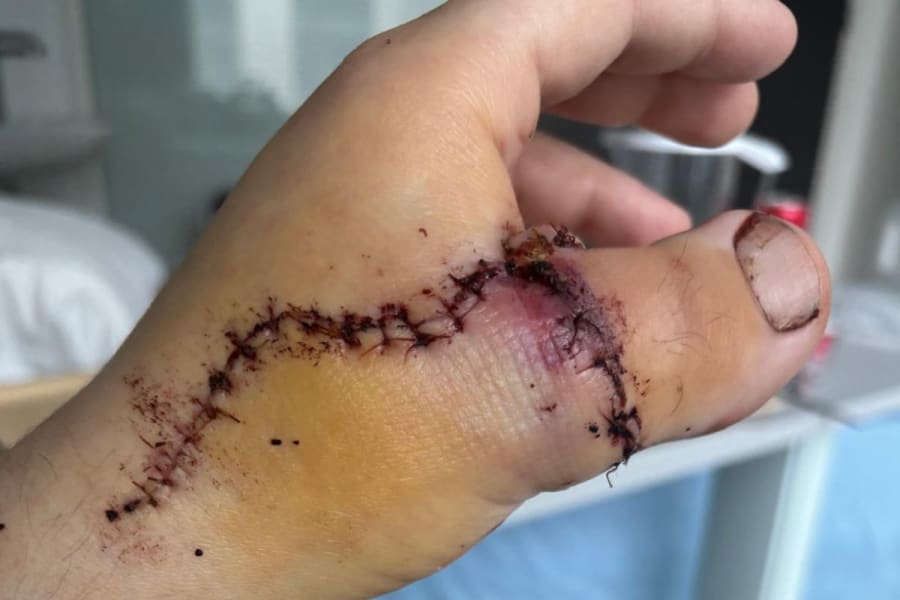
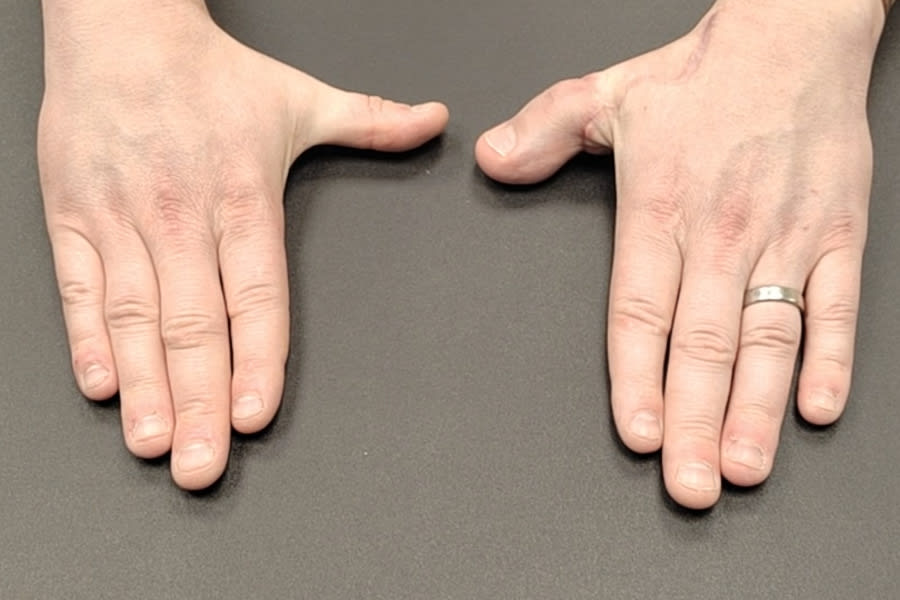
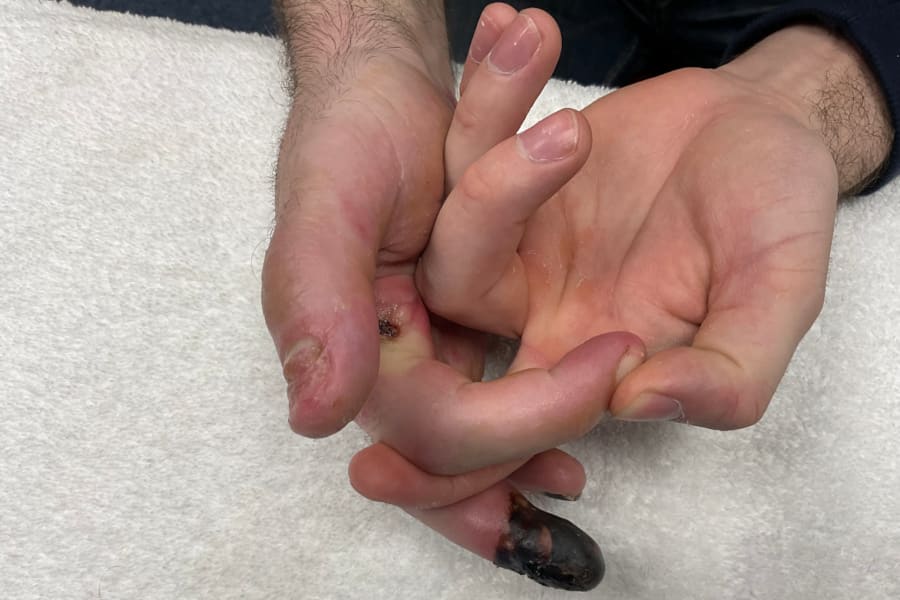
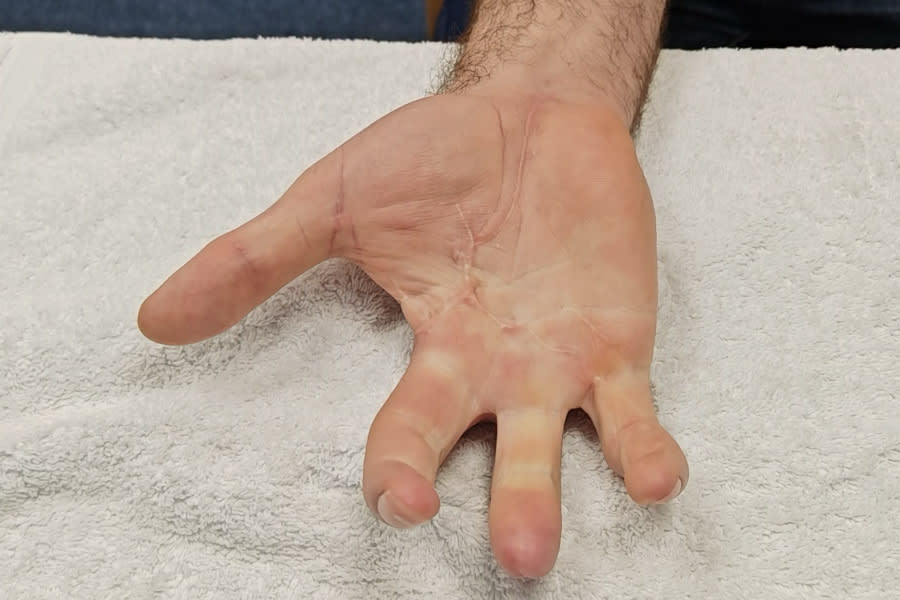
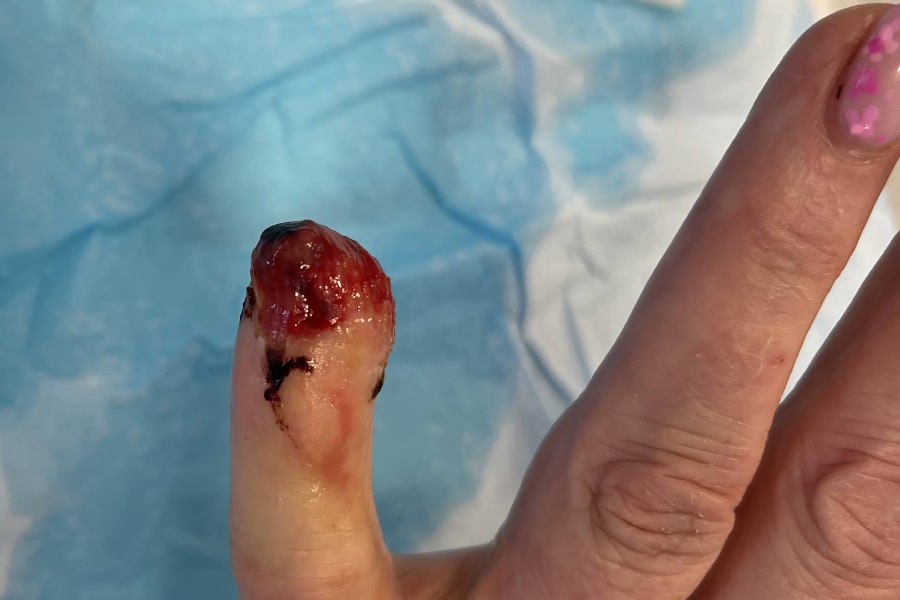
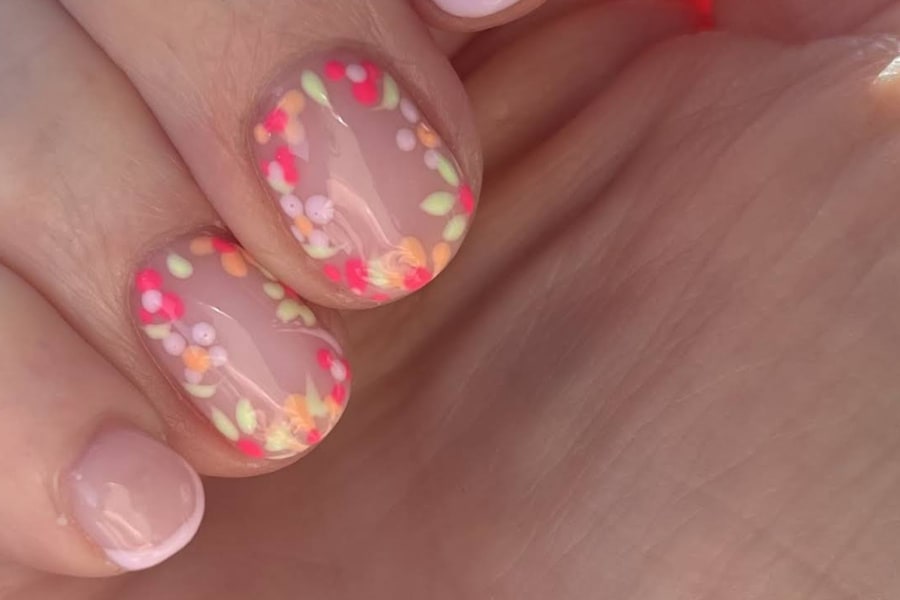
All clinical photographs are the property of The Hand Therapist and shared with patient consent.
Evidence-based
techniques
Effective scar therapy is rarely one technique on its own. Silicone, compression, massage and desensitisation each do different work at different stages of healing. Treatment is layered and adjusted as the scar matures, combining what works for that scar at that point.
Significant burn injury under a Plastic Surgery or Burns Team? Get in touch first so we can confirm whether scar therapy here fits alongside your existing care.
Upper limb
and beyond.
Most patients seen at the clinic have hand, wrist, elbow or shoulder scars. This is Ms Razo's primary clinical specialism with the equipment, splinting capability and post-surgical experience to match. Scars elsewhere on the body are treated using the same evidence-based techniques.
If you are not sure whether your scar is something we treat, get in touch and we will let you know.
-
Hand, wrist and upper limb scars
Surgical scars from carpal tunnel release, tendon repair, fracture fixation, joint replacement and trauma. Treated alongside Hand Therapy rehabilitation so the hand regains movement and the scar settles together.
-
Post-surgical scars
Scars from elective, joint replacement or reconstructive surgery across the body. Best started 10 to 14 days after wound closure, when scar tissue is most responsive to remodelling.
-
C-section scars
Tightness, numbness or pulling around a caesarean scar can persist for years if untreated. Manual scar work and a bespoke programme help the scar soften, glide and fade. General abdominal surgery scars also treated.
-
Mastectomy and breast surgery scars
Scars from mastectomy, lumpectomy and reconstruction can affect shoulder movement, posture and confidence. Scar therapy supports the tissue while the area recovers.
-
Traumatic and laceration scars
Scars from cuts, crush injuries, bites and other accidental wounds. Often irregular, tethered or hypersensitive. Treatment is matched to how the scar is behaving.
-
Minor burn scars
Scars from minor burns once the wound has healed and is stable. Significant burns under a Plastic Surgery or Burns Team should remain with that team.
-
Keloid and hypertrophic scars
Thickened, raised scars that have not flattened on their own. Specialised techniques to flatten the scar, with referral to Dermatology or Plastic Surgery arranged where appropriate.
Scar therapy
FAQs
-
Yes. While most patients seen at the clinic have hand, wrist, elbow or shoulder scars, scar therapy is provided across the body. This includes c-section scars, abdominal surgery scars, mastectomy and breast surgery scars, joint replacement scars, traumatic injury scars and minor burn scars. Ms Razo is an Occupational Therapist registered in both the United States and the United Kingdom, with the clinical scope to assess and treat scars wherever they appear.
-
Scar therapy typically begins once the wound is fully closed and any sutures have been removed, usually 10 to 14 days post-injury or surgery. Scar tissue is most responsive in the first weeks and months. The earlier treatment starts, the more easily the scar can be guided to settle flat, soft and mobile. Waiting too long allows the scar to mature and become less responsive to treatment.
-
Often yes. Scars remodel for 12 to 18 months after injury or surgery, but even established scars can soften, flatten and become more comfortable with the right combination of techniques. Older scars may take longer to respond and the change may be more gradual. However, tightness, sensitivity and adhesion can still be improved.
-
Yes. Keloid and hypertrophic scars are assessed and treated using specialised techniques. If a keloid is extensive or rapidly growing, Ms Razo will advise whether Dermatology or Plastic Surgery input is also needed and will refer onward where appropriate.
-
Minor burn scars only. If you have a significant burn injury under the care of a Plastic Surgery or Burns Team, this service is not a replacement for specialist burns care and you should continue under that team. For minor burn scars that have healed and are now causing tightness, sensitivity or appearance concerns, scar therapy can help.
-
No. You can self-refer directly without a GP letter or surgeon referral. If you have surgical notes, discharge letters or photos showing the wound through healing, bring them to your first appointment.
-
This depends on the age, size and behaviour of the scar. Some scars respond within a few sessions of guided treatment plus a home programme. More complex or long-standing scars may need a longer course. Ms Razo will give you a realistic assessment of what is achievable, and over what timeframe, at your first appointment.
-
A full assessment of the scar and surrounding tissue, your medical and surgical history and how the scar is affecting you. You will leave with a clear plan, the right products to start using at home and a follow-up schedule. Initial appointments are 60 minutes.
Ready to get
your scar seen to?
Book directly with Ms Razo. No referral needed. Appointments are typically available within 48 hours.