Carpal Tunnel Syndrome
Tingling, numbness and hand pain that wakes you at night is a classic sign of carpal tunnel. Nerve compressions can respond well to specialist Hand Therapy when treated early.
- Certified Hand Therapist (CHT)
- Consultant Hand Therapist
- Hand, wrist & upper limb specialist
What is carpal tunnel syndrome?
Carpal tunnel syndrome occurs when the median nerve is compressed as it passes through the carpal tunnel, a narrow passageway at the front of the wrist. It is the most common nerve compression condition in the upper limb.
The compression causes tingling, numbness and pain that classically wakes you at night. It can come on with repetitive hand and wrist use, sustained wrist positions, pregnancy, diabetes or after a wrist injury. The median nerve can also refer symptoms up the forearm and arm.
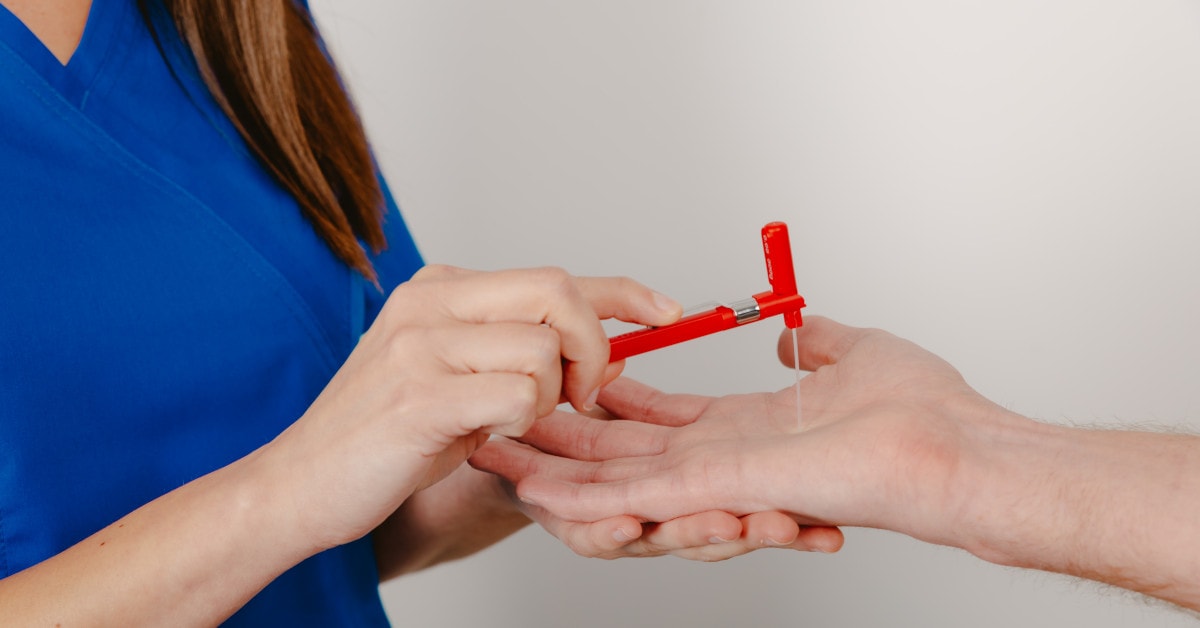
What you might notice
- Numbness and tingling in the thumb, index, middle and ring fingers, often worse at night
- Pain in the hand, wrist and forearm, sometimes radiating to the elbow and shoulder
- Waking at night with the need to shake or hang the hand to relieve symptoms
- Weakness and clumsiness of the hand: dropping objects, difficulty with fine-motor tasks
- Wasting of the thumb-base muscles in severe or long-standing cases
Why it happens
- Repetitive hand and wrist movements
- Prolonged or sustained wrist flexion or extension
- Pregnancy and fluid retention
- Diabetes or rheumatoid arthritis
- Previous wrist fractures or trauma

The earlier it is assessed, the better the outcome.
- Symptoms lasting more than six weeks
- Waking at night more than three times a week
- Noticeable weakness or dropping objects
- Symptoms not improving with rest or over-the-counter splints
How it's treated
A confident diagnosis comes from a hands-on specialist assessment, including testing to rule out nerve compression higher up the arm. From there, treatment is built around your symptoms and how you use your hands.
- Specialist differential diagnosis
- Custom night splinting
- Nerve and tendon gliding exercises
- Ergonomic and activity modification
- Post-surgical carpal tunnel release rehabilitation
People we've helped with this
“I had been having pain in my wrist that was shooting pains up my arm. Michelle gave me a thorough examination and gave me exercises, it continued to improve each time and I feel more comfortable and my strength is back.
Debbie BWrist pain
“Michelle was able to provide a diagnosis of trigger finger, issues with my ulnar and median nerves and forearm muscles. I wasn't able to get this diagnosis elsewhere and Michelle made me very confident I would return to my sport without the need for steroid injections.
Caitriona DTrigger finger & nerve issues
“As a healthcare professional myself I would not hesitate to recommend Michelle. She gave a definite diagnosis during the initial appointment and provided a comprehensive holistic treatment plan. I was impressed with her clinical knowledge and examination technique.
Healthcare professionalWrist injury
Common questions
-
Yes. Mild to moderate CTS often responds well to non-operative treatment. Symptoms resolve without surgery in approximately one in three people within six months of diagnosis (Futami et al, 1997), and structured Hand Therapy including splinting and activity modification can significantly improve outcomes for the majority.
-
Yes. Although carpal tunnel syndrome originates at the wrist, the median nerve runs the full length of the arm, so symptoms can radiate beyond the hand. Forearm pain, elbow ache and pain running up the arm are all recognised features of CTS, particularly in more significant or longstanding cases. When symptoms extend up the arm it does not necessarily mean the condition is more severe, but they should be assessed to rule out nerve compression at a higher level.
-
Following carpal tunnel decompression, most patients experience relief of nocturnal symptoms almost immediately. Full recovery of sensation and strength can take several weeks to months, particularly if the nerve was significantly compressed before surgery. Specialist Hand Therapy promotes an efficient return to home, work and leisure activities. Find out more about specialist rehabilitation after surgery.
-
Certain occupational activities, including prolonged vibrating tool use, sustained forceful gripping and repetitive wrist flexion, are recognised risk factors for CTS. If your symptoms are work-related, Ms Razo can provide ergonomic assessment and advice and prepare reports to support occupational health or medico-legal requirements.
-
No. You can self-refer directly. No GP letter or consultant referral is needed. If you have existing imaging or referral letters, it is helpful to bring them along to your first appointment.
-
An initial consultation with Ms Razo is £86 for 60 minutes. Follow-up sessions are £66 for 45 minutes. If a custom splint is required, prices start from £30 depending on the type and size. Ms Razo is a registered provider with BUPA and H3.
-
This depends on the severity of your symptoms and how early treatment begins. Many patients with mild to moderate carpal tunnel syndrome see a significant improvement within four to six weeks of consistent splinting and activity modification. Ms Razo will give you a realistic assessment at your first appointment.
-
Symptoms resolve without treatment in approximately one in three people within six months of diagnosis. For the majority, some form of treatment is needed. Early treatment with splinting, activity modification and Hand Therapy is associated with better outcomes and can often prevent the need for surgery.
Related wrist conditions
Clinically reviewed by Ms Michelle Razo CHT · May 2026